01 / Machine LearningIn progress
F1 Race Prediction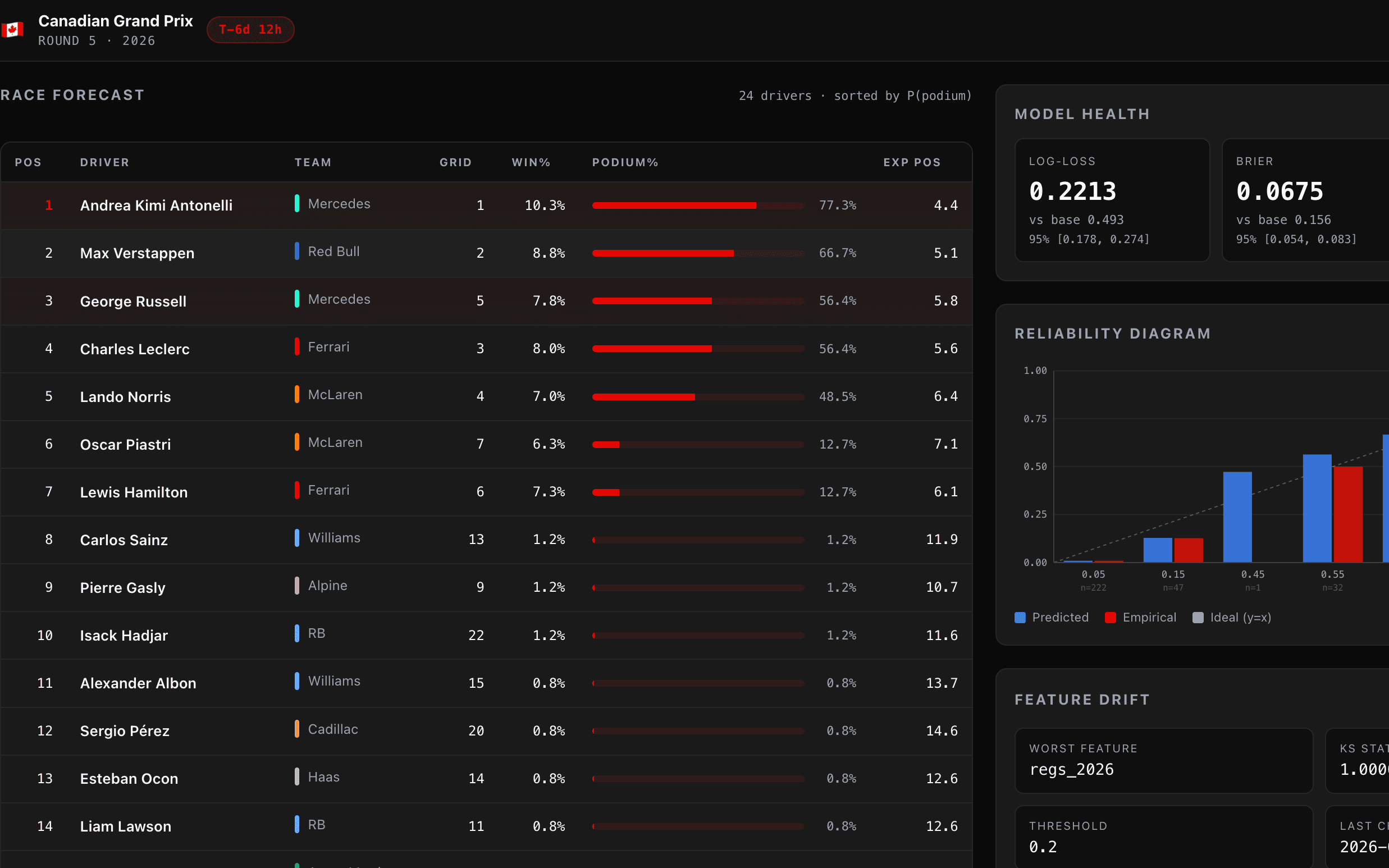
A calibrated Formula 1 probability project in progress, forecasting podium, win, and expected-position outcomes through a tested ML pipeline.
In progressAbout

I am Jules Tack, a final-year BBA student in Switzerland with a specialization in finance. I build websites, small apps, and AI-assisted prototypes by directing AI tools - mainly Claude Code, Codex CLI, Gemini, and Antigravity.
Projects
Practical systems I built by combining business context, AI tools, and careful review loops.
A calibrated Formula 1 probability project in progress, forecasting podium, win, and expected-position outcomes through a tested ML pipeline.
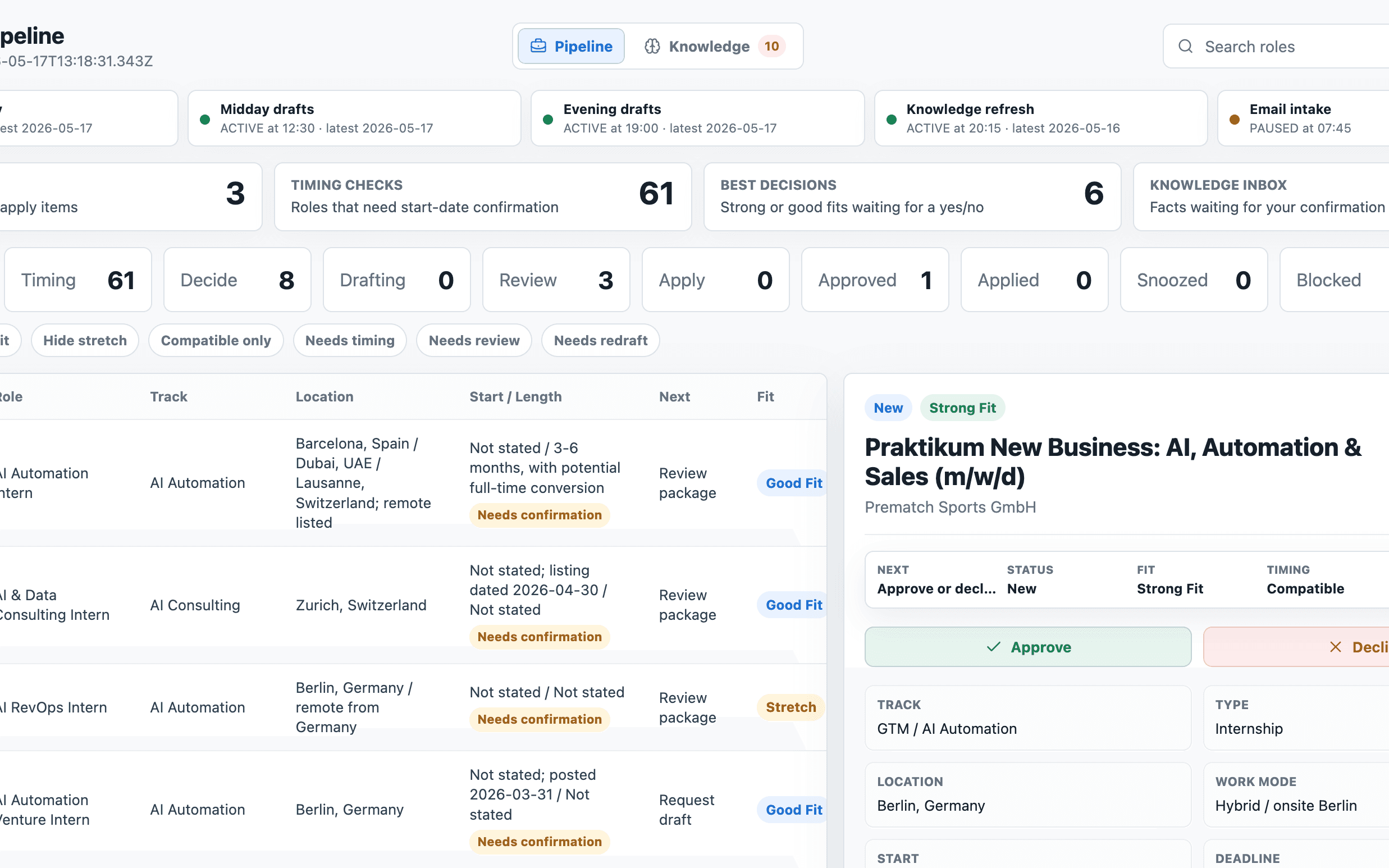
In progressA private workflow dashboard for finding roles, checking fit and timing, making manual decisions, and preparing drafts only after approval.
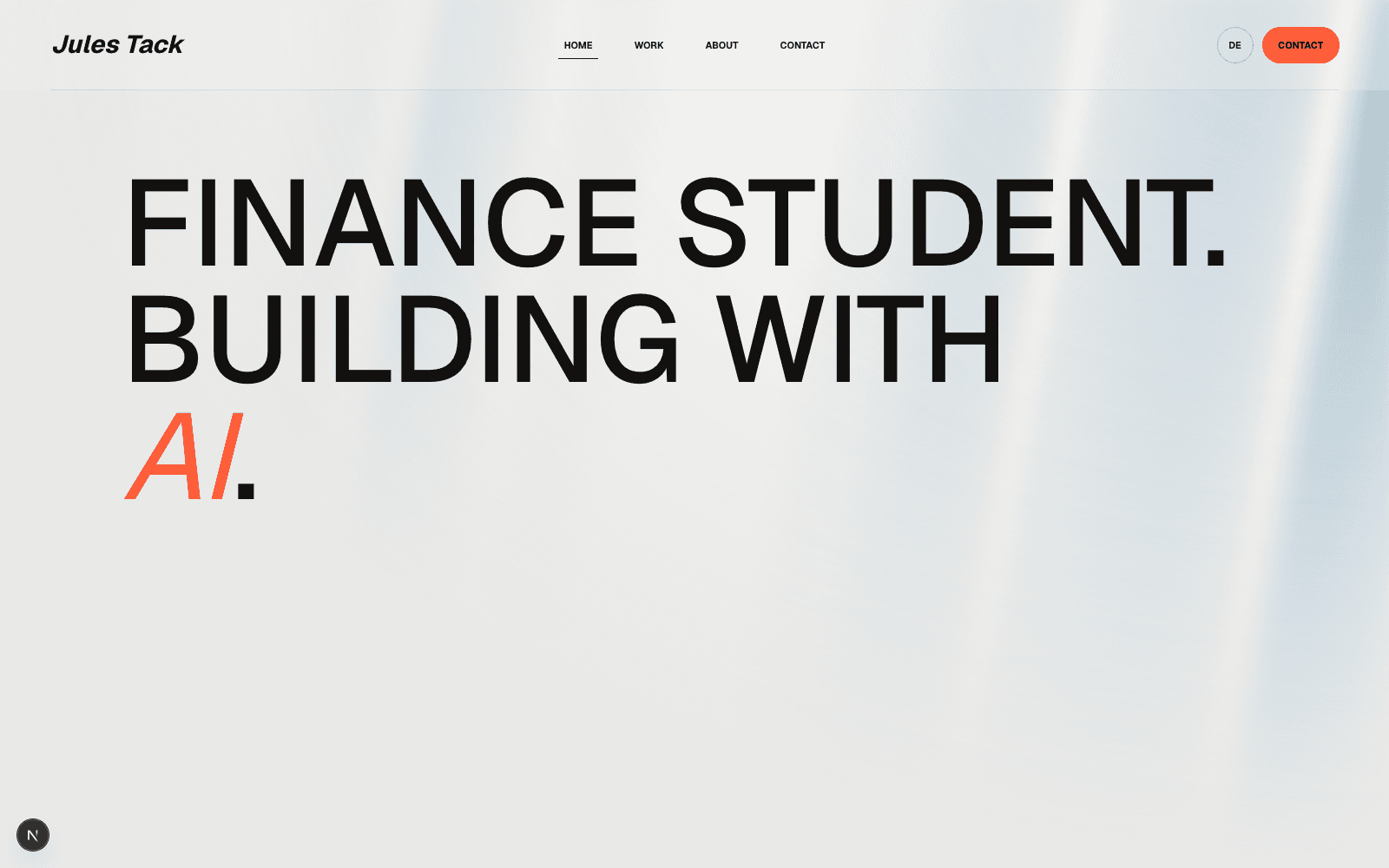
View project03The bilingual portfolio you are viewing: a Next.js site for profile facts, selected projects, contact, and focused project pages.
View projectExperience
Kempinski Palace Engelberg
Payments, deposits, credit-limit checks, and work coordination inside a 14-member front-office team.
What I work on
Stack
AI tools
Business